
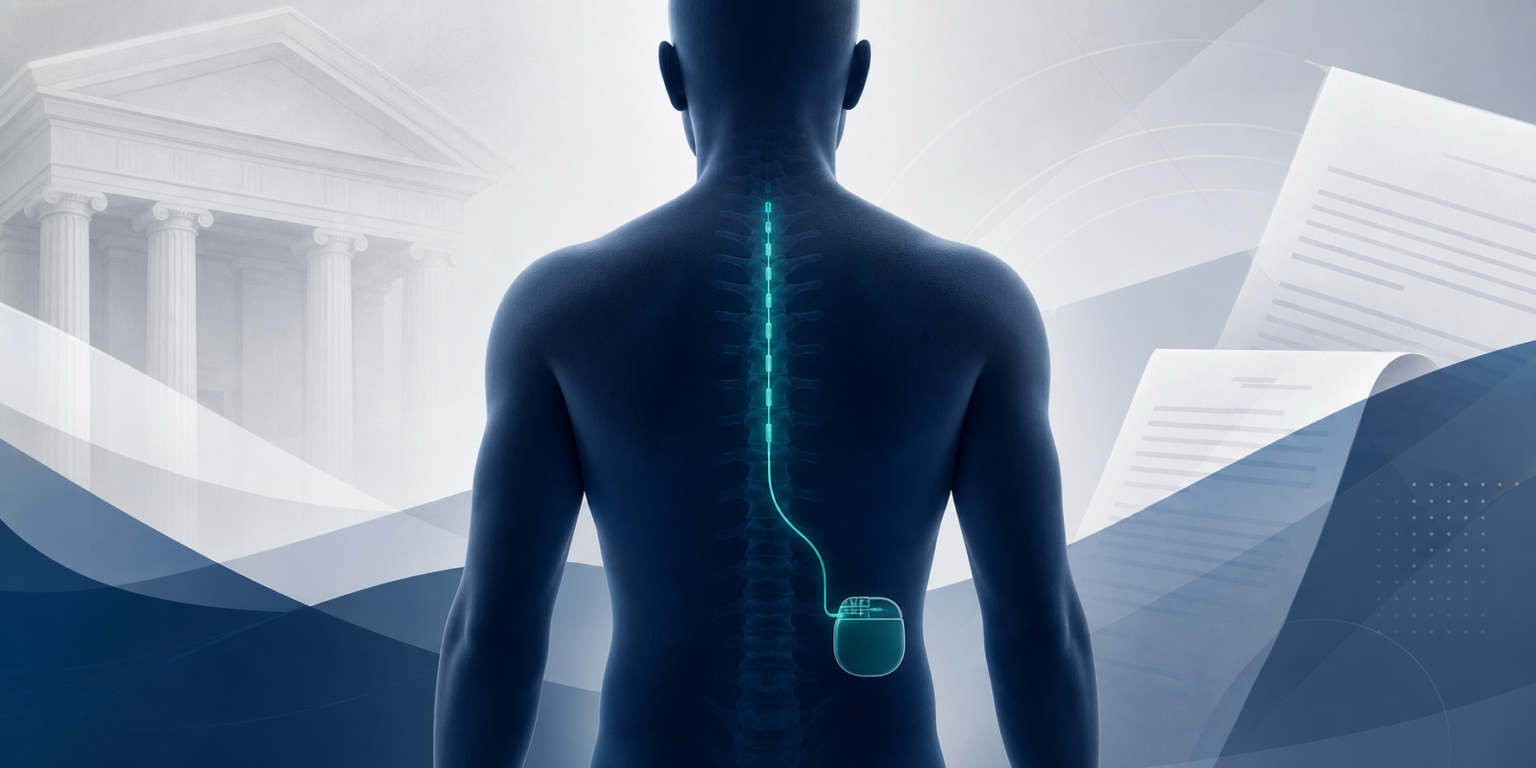

Boston Scientific spinal cord stimulator MDL: the records patients should pull now
One thing we hear in device cases all the time: "I know something went wrong, but I do not know what it is called."
That is common with spinal cord stimulators. A patient may remember the shock. The burning feeling. The appointment where the rep changed the settings. The second surgery. But the medical chart may use quieter words: reprogramming, migration, revision, explant.
So this update is less about legal jargon and more about the file you should start building if a Boston Scientific spinal cord stimulator hurt you or had to be fixed.
On June 5, 2026, the Judicial Panel on Multidistrict Litigation created a new federal proceeding for Boston Scientific spinal cord stimulator lawsuits. The case is in the Central District of California before Judge Josephine L. Staton. Its formal name is In re: Boston Scientific Corporation Spinal Cord Stimulator Products Liability Litigation, MDL No. 3181.
Public reports on the transfer order said the MDL began with 23 cases from nine federal districts. That is early. Very early. And early cases are often record-heavy because both sides are still sorting out the basic facts.
What the injury pattern can look like
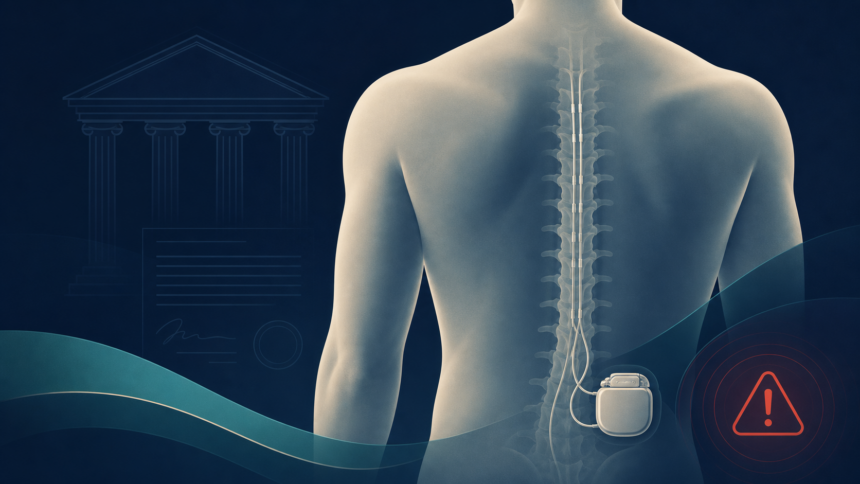
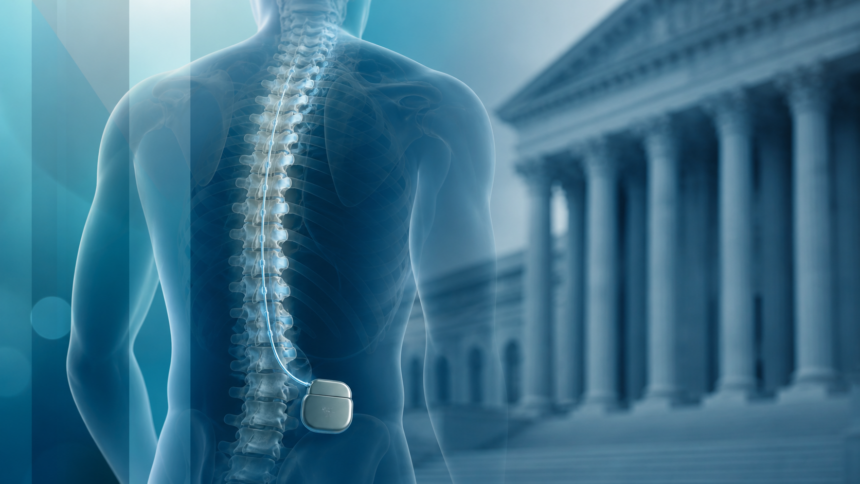
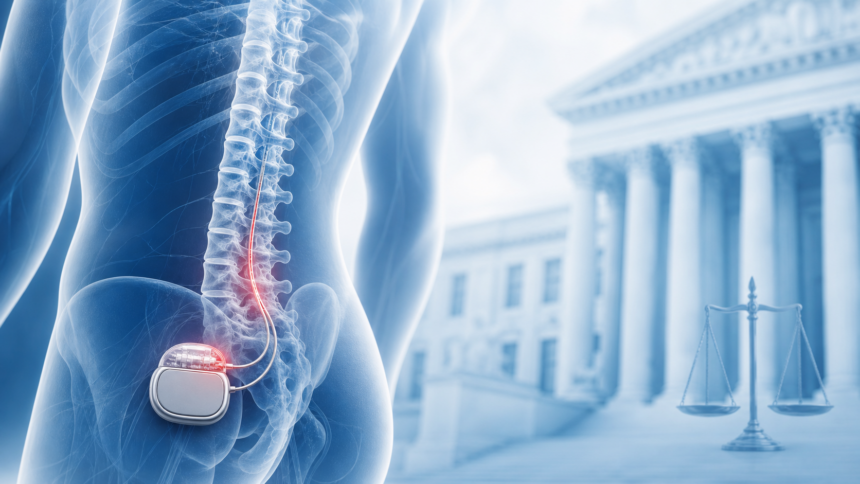
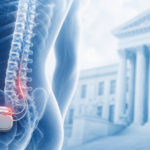
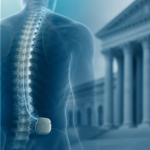
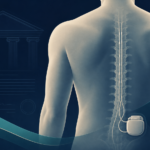
Spinal cord stimulators are implanted for certain chronic pain conditions. The system may include leads near the spine, a pulse generator, a charger, a controller, and follow-up programming visits.
The Boston Scientific cases we are watching involve complaints such as:
- painful electric shocks or sudden jolts
- burns or heat injuries near the implant or charging site
- lead migration, meaning a lead moved from where it was supposed to be
- a lead problem that changed the stimulation pattern
- loss of pain control after the device stopped working as expected
- revision surgery to move, replace, or repair part of the system
- explant surgery, where doctors removed the device
A lawsuit is not built from one symptom alone. A person can have pain after an implant for reasons that have nothing to do with a defect. But if there were repeated shocks, a documented burn, a lead issue, a revision, or an explant, those facts should be reviewed carefully.

The first thing to find: the device card
If you still have the device card, put it somewhere safe and take a photo of both sides. That card may show the manufacturer, model, serial number, implanting facility, and implant date.
If you do not have the card, ask the hospital for the implant operative report and the product sticker page from the chart. Hospitals often scan device labels into the record. That page can be more useful than a dozen clinic notes.
The records that usually matter most
Do not rely only on the patient portal. Portals can be incomplete, and older messages sometimes disappear. Ask for the full medical record from the hospital, the pain clinic, and any facility that treated the complication.
For a Boston Scientific spinal cord stimulator review, we would want to see:
- the implant operative report
- the product sticker or device label page
- the first post-implant follow-up notes
- all programming or reprogramming notes
- emergency room records after shocks, burns, falls, or sudden pain changes
- imaging reports if a lead moved or was suspected to have moved
- revision surgery records
- explant surgery records
- photos of burns, swelling, wound problems, or scarring, if they exist
- messages with the clinic, doctor, or device representative
- insurance paperwork showing procedure dates
Keep the envelopes, PDFs, and portal downloads. Do not mark up the originals. If you want notes, make a separate timeline.
Build the timeline while you still remember it
The timeline does not need to sound like a legal document. Plain English is better.
Example:
- January 2025: trial stimulator
- February 2025: permanent implant
- March 2025: shocks started when charging
- April 2025: reprogramming visit
- June 2025: ER visit after severe jolt
- August 2025: doctor said lead may have moved
- September 2025: revision surgery
That kind of list helps an attorney compare your memory to the chart. It also shows where records may be missing.
A quick word about FDA reports
The FDA's MAUDE database collects adverse event reports involving medical devices. It includes reports involving spinal cord stimulation systems.
Those reports can be helpful background. They are not proof that your device caused your injury. MAUDE reports may be incomplete, duplicated, or updated later. Your own claim turns on your records, your device history, expert review, and the deadline rules in your state.
Does this include other stimulator companies?
Right now, MDL 3181 is about Boston Scientific. Public reporting on the JPML transfer order noted that the panel left open the possibility of later action involving other spinal cord stimulator makers, including Abbott, Medtronic, and Nevro, if the record supports it.
For patients, that means the manufacturer is not a small detail. Get it right before assuming where a case belongs.
When a review may make sense
A review may be worth considering if you had a Boston Scientific spinal cord stimulator and then had one or more of the following:
- shocks that were painful or unexpected
- burns or heat injuries
- a diagnosed lead migration or lead problem
- repeated reprogramming that did not solve the issue
- revision surgery
- explant surgery
There may be other facts that matter too. The implant date, model, medical history, and state deadline can all change the answer.
Bottom line
MDL 3181 is new. The court process will take time. Patients do not have to understand every filing today, but they should not wait to gather the records.
Start with the device card. Then get the operative reports, programming notes, ER records, and revision or explant records. Write the timeline while it is fresh.
If you believe a Boston Scientific spinal cord stimulator caused serious harm, talk with a qualified attorney about your specific facts. This article is attorney advertising and is for general informational purposes only. It is not medical advice, and it does not create an attorney-client relationship. No outcome is guaranteed.
Sources checked
- Judicial Panel on Multidistrict Litigation, pending MDL information for federal multidistrict proceedings
- Public reporting on MDL No. 3181 and the June 5, 2026 transfer order
- Nigh Goldenberg Raso & Vaughn, MDL 3181 case-management order repository
- FDA MAUDE adverse-event database materials for medical-device reports
- Alex Davis Law, July 1, 2026 report on spinal stimulator lawsuits consolidated in federal court