

A lot of people do not remember the exact name of the device in their back. They remember the thing that happened afterward: a sharp jolt, a burn, a wire that moved, or a doctor saying the stimulator may have to come out.
That is why the new Boston Scientific spinal cord stimulator MDL matters.
On June 5, 2026, the Judicial Panel on Multidistrict Litigation created MDL No. 3181 for Boston Scientific spinal cord stimulator cases. The litigation is now in the Central District of California before Judge Josephine L. Staton.
This is still early. The court has not decided who is right, and an MDL does not promise money to anyone. It does, however, give patients and families a real signal that these claims are being organized in one federal court.
What MDL 3181 covers
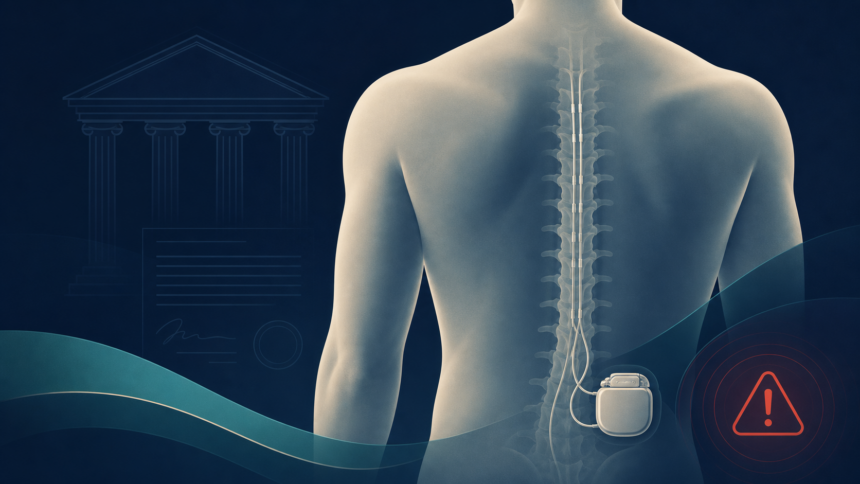
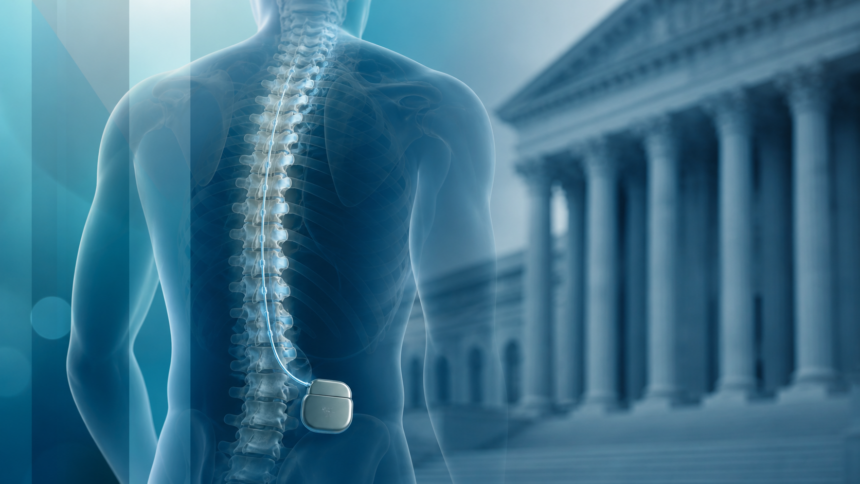
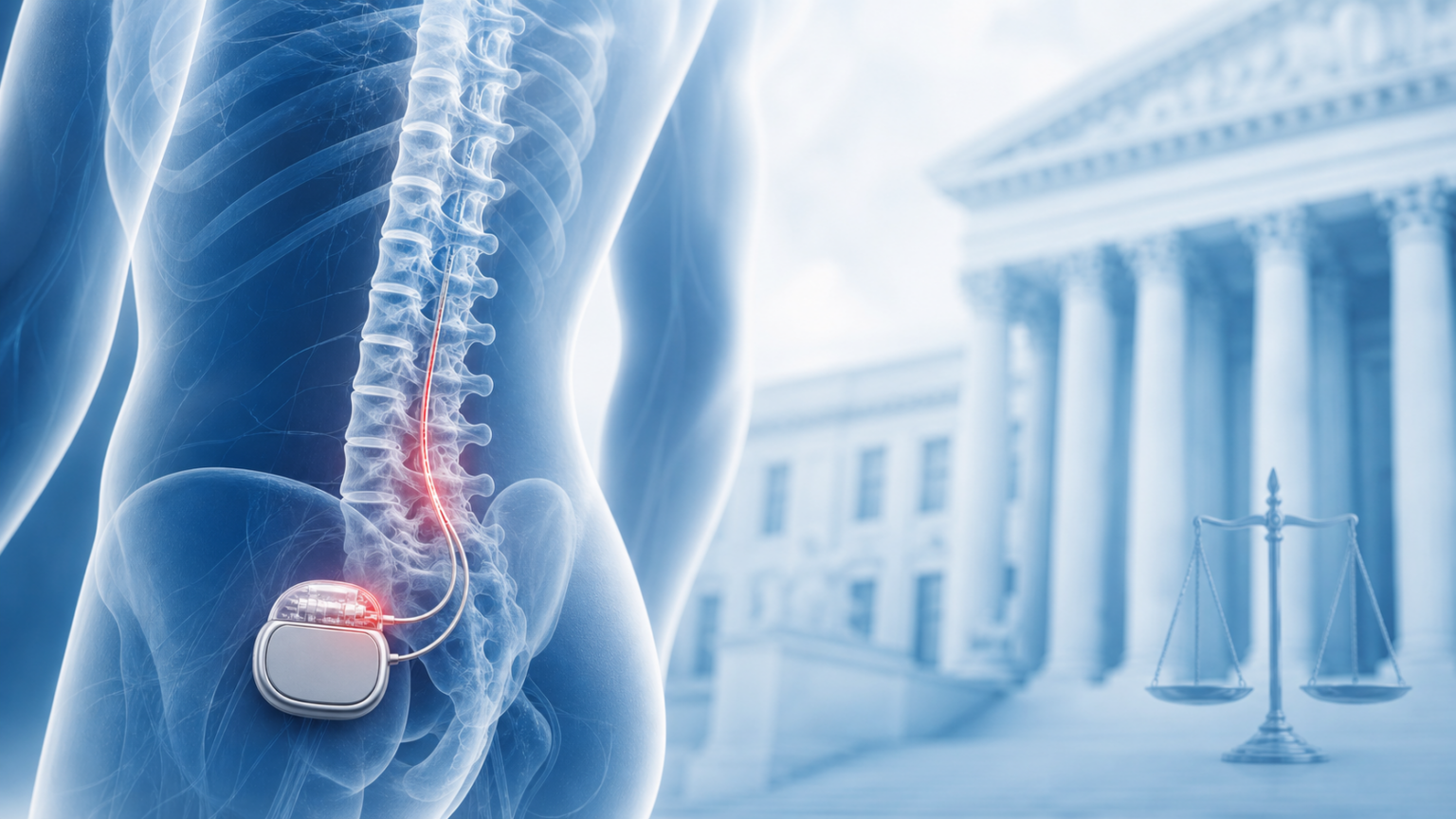
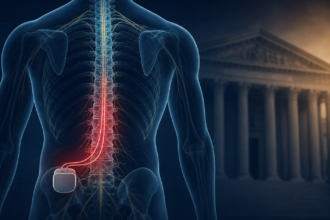
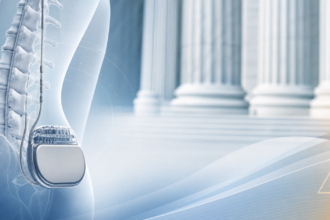
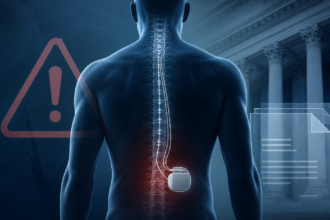
MDL 3181 is focused on Boston Scientific spinal cord stimulator products. These are implanted devices used for chronic pain. The system usually includes a pulse generator and leads that deliver electrical stimulation near the spinal cord.
The JPML transfer order says the lawsuits raise shared questions about Boston Scientific's Class III devices, the FDA premarket approval process, later PMA supplements, warnings, and alleged performance problems. The panel renamed the case In re Boston Scientific Corporation Spinal Cord Stimulator Products Liability Litigation.
The panel did not create one giant spinal cord stimulator MDL for every manufacturer. It centralized the Boston Scientific cases and declined, at least for now, to sweep in all Abbott, Nevro, and Medtronic cases as one industry-wide proceeding.
That detail is easy to miss, but it matters. If your implant was not made by Boston Scientific, the June order may not place your case in this MDL automatically.
Why California was chosen
The JPML said 23 Boston Scientific cases were pending in nine federal districts when it issued the transfer order. Fourteen were already in the Central District of California, and ten were being coordinated before Judge Staton.
The panel also noted that Boston Scientific's neuromodulation division is in that district. For the court, that made California a practical place to manage documents, witnesses, motions, and early discovery.
For an injured patient, the takeaway is narrower: the court can coordinate the common issues, but your own records still drive the case. The implant date, model, symptoms, reprogramming history, revision surgery, and explant records are not background details. They are the file.
Problems patients are talking about
The injuries being reviewed in these cases are not just "my device did not work." Lawyers are looking for serious complications after implant, including:
- shocks or sudden painful stimulation
- burning sensations or burn-type injuries
- lead migration
- lead fracture or lead problems
- device malfunction or loss of stimulation
- repeated reprogramming that did not fix the issue
- revision surgery
- explant surgery, where the device was removed
The FDA recall database gives one concrete example of why the exact model matters. FDA's Class II recall record for WaveWriter Alpha 16 and WaveWriter Alpha 32 implantable pulse generator kits describes a July 2024 Boston Scientific correction tied to possible device resets during charging. The record says patients could feel undesired sensations when therapy turns off for about 10 to 15 seconds and then turns back on. FDA also lists 77,674 units in commerce for that recall entry.
That recall does not prove what happened in any one person's body. It is not the whole lawsuit either. But it shows why model numbers, charging notes, firmware updates, and doctor visits can become important later.
Documents to save now
You do not need a perfect packet before asking questions. Start with whatever you have.
Try to save or request:
- your implant card
- the surgery report from the original implant
- the device model and serial number
- pain management notes before and after the implant
- records showing shocks, burns, overstimulation, charging issues, or loss of therapy
- Boston Scientific programmer or charger records, if you have access to them
- notes from reprogramming visits
- ER, urgent care, or follow-up records tied to the device problem
- revision surgery records
- explant records, if the device was removed
- photos of visible burn or pocket-area injuries, if any exist
- receipts, bills, travel notes, and missed-work records tied to device care
Also write down the timeline in normal language. Something like: "Implanted in March 2023. First shock in August. Reprogrammed twice. Doctor said lead moved in November. Revision in January."
That kind of rough timeline can help a reviewer know what records to request first.
When a review may make sense
A Boston Scientific spinal cord stimulator claim may be worth reviewing if the patient had the device implanted and later had serious complications such as shocks, burns, lead migration, repeated malfunction, revision surgery, or removal surgery.
It may also be worth asking questions if a doctor said the leads moved, the system reset, the device failed, or the stimulator needed repeated adjustments that never solved the problem.
A review is not the same as filing a lawsuit. It is a first pass. The goal is to match the product, dates, injury, treatment, and records against what the MDL is actually about.
What happens next
Because MDL 3181 was created in June 2026, the case is at the front end. Early MDL work usually means leadership applications, preservation orders, discovery planning, and motions over which claims can proceed. Bellwether trial dates, if they happen, come later.
The best move for families right now is practical. Do not throw away device paperwork. Do not rely on memory for the model number. If there was a revision or explant, request that operative report.
Mass Tort America is reviewing Boston Scientific spinal cord stimulator claims involving serious complications after implant. If you are not sure whether your records fit, you can request a confidential review and find out what documents are needed.
Attorney advertising. This article is for general information only and is not legal or medical advice. Reading it does not create an attorney-client relationship. Every claim depends on the facts, medical records, deadlines, and applicable law.