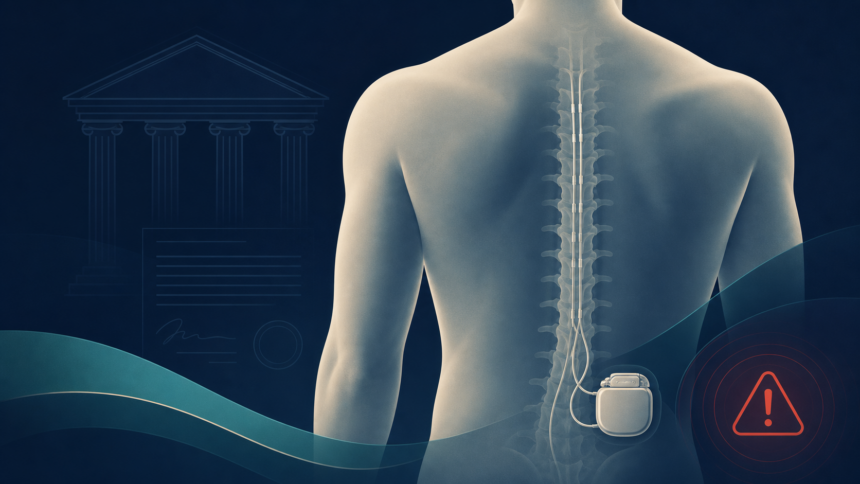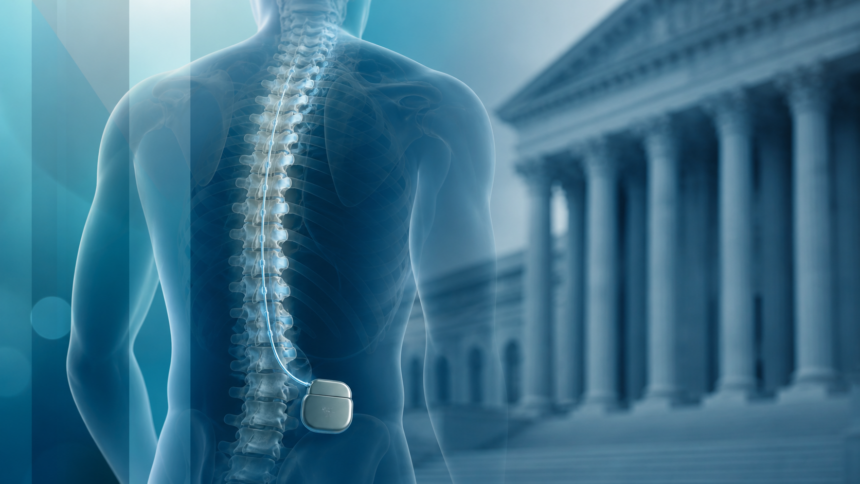






A Boston Scientific spinal cord stimulator lawsuit now has a home base.
On June 5, 2026, the Judicial Panel on Multidistrict Litigation created MDL No. 3181 and sent the Boston Scientific spinal cord stimulator cases to federal court in Los Angeles. Judge Josephine L. Staton will handle the shared pretrial work.
The June 16 JPML transfer order is short, but it says a lot. The Panel wrote that the new cases "involve questions of fact that are common" to the cases already sent to California. The same order listed tag-along actions from California, Florida, Georgia, and Missouri.
For patients, that does not answer the bigger question. It just moves the courthouse.
The bigger question is this: after the stimulator went in, what changed?
If the answer is painful shocks, burning, lead movement, a revision surgery, or a full explant, do not rely on memory alone. Start saving records.
What MDL 3181 is, and what it is not
The formal name is In re: Boston Scientific Corporation Spinal Cord Stimulator Products Liability Litigation.
Right now, that name matters. This is the Boston Scientific MDL. It is not automatically the MDL for every spinal cord stimulator on the market.
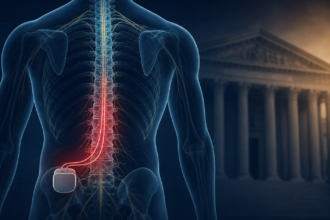

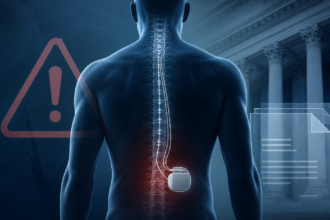
That can be confusing because spinal cord stimulator complaints often sound similar from one manufacturer to another. Patients talk about shocks. They talk about burning. They talk about leads moving. They talk about another surgery that they never expected to need.
But a Boston Scientific WaveWriter or Precision system is not the same thing, legally, as a stimulator made by Medtronic, Abbott, or Nevro. There may be overlap later. There may not. A June 16 transfer schedule even listed one case that named Abbott Laboratories, but that does not turn the whole proceeding into an all-manufacturer MDL.
If you are not sure who made your device, find the patient card first. If you do not have it, ask the implanting hospital for the implant log or product sticker sheet.
The first court dates are about setup
A June 25 court update reported the master case number as 2:26-ml-03181-JLS-E in the Central District of California.
The first deadlines are not trial dates. They are setup dates. Plaintiffs' lawyers have July 24, 2026, deadlines tied to leadership and organization. The first scheduling conference is set for August 5, 2026, in Los Angeles.
That may sound far removed from a patient sitting at home with a device that had to be removed. It is not completely separate. These early orders can decide how claims get filed, what forms lawyers use, what records are exchanged first, and how quickly the court moves into discovery.
In other words, the court is building the tracks before the train starts moving.
Injuries that deserve a closer look
A tough recovery after implant surgery is not, by itself, the same as a product liability claim.
The cases that deserve a closer review usually involve something more concrete:
- repeated or unexpected painful shocks
- burning sensations or suspected burn injuries
- leads that migrated or had to be moved
- device malfunction or charging failure
- infection around the device or leads
- revision surgery
- explant surgery, where the device was removed
- nerve pain or other symptoms that continued after reprogramming, revision, or removal
The word "usually" is doing real work there. A claim depends on the device, the medical history, the timing, and the records. Two people can describe almost the same symptoms and still have very different legal cases.
The records are the story
A lot of people can remember the day the stimulator shocked them. They can remember the burning. They can remember being told, "We need to go back in."
The chart may tell the story differently, or it may tell it better.
Start with the implant operative report. Then look for the sticker sheet or implant log. That sheet may list the generator, leads, serial numbers, model numbers, and lot numbers. It is often tucked into the hospital record, not the pain clinic record.
Next, pull the follow-up notes. These are the visits where the device was adjusted, reprogrammed, charged, checked, or discussed. If a company representative was present, that may show up in the note. If imaging was ordered, save the report. If a doctor mentioned migration, infection, abnormal stimulation, hardware movement, or malfunction, keep that page.
For revision or explant cases, the second surgery report can be just as important as the original implant report. Sometimes more important.
Photos may help too, especially if there were visible burns, redness, drainage, swelling, or skin changes. Keep the original image files if possible.
A quick note on FDA reports
The FDA's MAUDE database collects adverse event reports for medical devices, including spinal cord stimulators. It is useful background, but it is not proof by itself.
A MAUDE report can be incomplete. It can be disputed. It can be filed before the full medical picture is known. Courts do not treat those reports as a substitute for a patient's own records.
So yes, FDA reporting matters. But if you are trying to evaluate your own case, the hospital chart matters more.
What to write down now
Make a simple timeline. Not a polished legal memo. Just the facts you remember.
Example:
"Implanted in 2023. Shocks started a few months later. Reprogrammed twice. X-ray showed lead movement. Revision in 2024. Pain kept getting worse. Device removed in 2025."
That is enough to start. A lawyer can clean up the dates later. What you do not want is to wait another year and lose the sequence.
Bottom line
MDL 3181 is early, but it is real. The Boston Scientific spinal cord stimulator cases now have one federal judge handling the shared pretrial issues.
If you had a Boston Scientific stimulator and later needed revision surgery, explant surgery, or treatment for shocks, burns, or lead migration, save the device card and start gathering the records tied to the implant and every later procedure.
This article is attorney advertising and is for informational purposes only. It is not medical advice, and it does not create an attorney-client relationship. Every case depends on its own facts, deadlines, and medical records.
Sources checked for this update include the JPML conditional transfer order in MDL No. 3181, JPML pending MDL materials, FDA MAUDE device-report resources, and recent MDL 3181 court-deadline reporting.