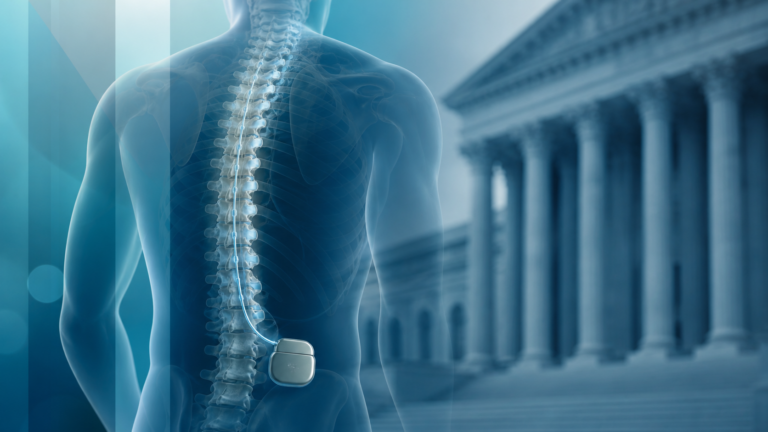
Boston Scientific Spinal Cord Stimulator MDL 3181: July Update for Patients With Shocks, Burns, or Removal Surgery
Boston Scientific spinal cord stimulator MDL 3181: a July update for patients dealing with shocks, burns, or removal surgery
People usually do not talk about an implanted spinal cord stimulator by its formal product name. They say things like, “the battery in my back,” “the wires moved,” or “it shocked me when it should not have.” That is exactly why the new Boston Scientific spinal cord stimulator MDL is worth watching closely.
On June 5, 2026, the Judicial Panel on Multidistrict Litigation created MDL No. 3181, formally titled In re: Boston Scientific Corporation Spinal Cord Stimulator Products Liability Litigation. The cases were sent to the Central District of California, where Judge Josephine L. Staton will manage coordinated pretrial work.
That does not mean there has been a settlement. It does not mean the court has decided Boston Scientific did anything wrong. It means similar federal lawsuits can now move through one court for discovery, scheduling, and early legal fights instead of being scattered in different districts.
What the court reports show now
The JPML's July 1, 2026 pending MDL report lists MDL 3181 in the Central District of California under case number 2:26-ml-3181. The JPML report organized by actions pending lists 24 actions for the Boston Scientific spinal cord stimulator MDL as of July 1.
AboutLawsuits reported that the MDL was formed from 23 cases pending in nine federal districts. Its July 2026 update also notes a larger issue in the background: the JPML did not create one industry-wide spinal cord stimulator MDL for every manufacturer, but related claims involving other companies may continue to be raised separately.
For a patient, that distinction can be easy to miss. A claim may turn on the exact manufacturer, the model, the implant date, what went wrong, and whether later surgery confirmed a device problem.
The symptoms families keep trying to sort out
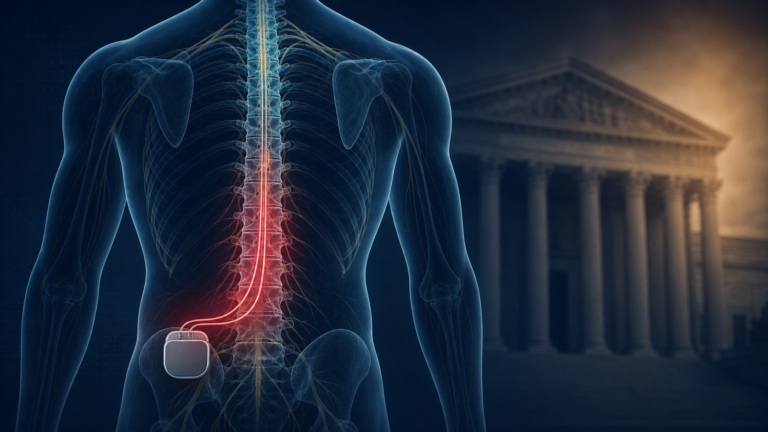
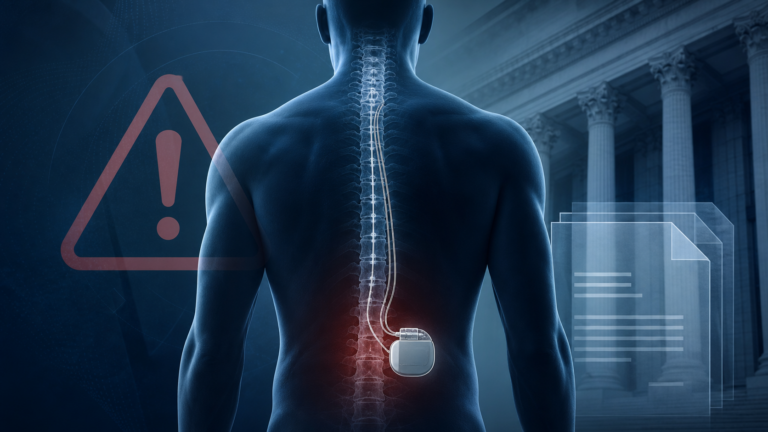
The Boston Scientific lawsuits are not simply about disappointment with pain relief. The injuries being reviewed are more serious and more concrete. They include reports of electrical shocks or jolts, burning sensations, tissue burns near implanted parts, lead migration, lead fracture, revision surgery, and explant surgery.
Some people know right away that something feels wrong. Others spend months going back and forth between pain flares, reprogramming visits, imaging, and doctors' appointments before anyone says the device may be involved.
That is frustrating. It can also make the record messy. One note may say “worsening back pain.” Another may mention lead movement. A later operative report may finally describe revision or removal. Put together, those records can tell a very different story than any single appointment note.
Why device identification matters
One of the first practical questions is also one of the most important: was the stimulator actually made by Boston Scientific?
The answer may be on a wallet card, an operative report, a product sticker in the hospital chart, or a pain-management record. If the device was revised or removed, there may be separate records for the original implant and the later surgery. Families should try to collect both.
Do not rely only on memory if records are available. Many patients have had several procedures, different doctors, and more than one piece of implanted hardware. The MDL name is specific, and the details matter.
What to save before records disappear
If you are trying to understand whether a spinal cord stimulator injury should be reviewed, start with the basics:
- implant records and the device card
- the name of the implanting doctor or pain clinic
- reprogramming notes and complaints made after implant
- imaging reports that mention lead position or migration
- ER records or urgent visits after shocks, burns, or new symptoms
- revision surgery records
- explant records if the device was removed
- photos of visible burns or skin injury, if any exist
If you still have a remote, charger, card, packaging, or any device-related materials, keep them in a safe place. Do not throw them out just because the device has been removed or replaced.
It also helps to write a short timeline in your own words. When was the implant? When did the first shock, burn, or strange stimulation happen? Who did you call? Was the system reprogrammed? Did a doctor recommend revision or removal? Those details are easier to write down now than six months from now.
A careful next step
The Boston Scientific spinal cord stimulator litigation is still early. The July court reports show that the MDL is organized, but the major proof questions are still ahead. No responsible lawyer should promise a settlement amount based only on a device name.
The more useful question is whether the medical record shows a serious post-implant complication: shocks, burns, lead movement, revision surgery, explant surgery, or another documented injury tied to the stimulator system.
Mass Tort America is reviewing spinal cord stimulator injury claims involving serious complications after implantation. This article is attorney advertising and is for general information only. It is not legal advice, and contacting us does not create an attorney-client relationship. Every case depends on its own facts, medical records, deadlines, and state law.