Boston Scientific SCS MDL 3181: A July 2026 Checklist for Patients
Boston Scientific SCS MDL 3181: A July 2026 Checklist for Patients
A spinal cord stimulator is supposed to make daily pain easier to
live with. So when the device starts shocking, burning, drifting out
of place, or sending someone back to surgery, people are often left
with two problems at once: the medical problem and the paperwork
problem.
That is where the new Boston Scientific MDL comes in.
On June 5, 2026, the Judicial Panel on Multidistrict Litigation
created MDL No. 3181 for Boston Scientific spinal cord stimulator
cases. The cases were sent to the Central District of California and
assigned to U.S. District Judge Josephine L. Staton. The transfer
order said 23 Boston Scientific cases were pending in nine federal
districts at that point.
The July 1, 2026 JPML pending MDL report still lists the litigation
as MDL 3181, in the Central District of California, before Judge
Staton. A separate June 23 pretrial order set the first scheduling
conference. In other words, this is no longer just a handful of
separate lawsuits. It is now a coordinated federal proceeding, but
it is still very early.
What kinds of problems are being reviewed?
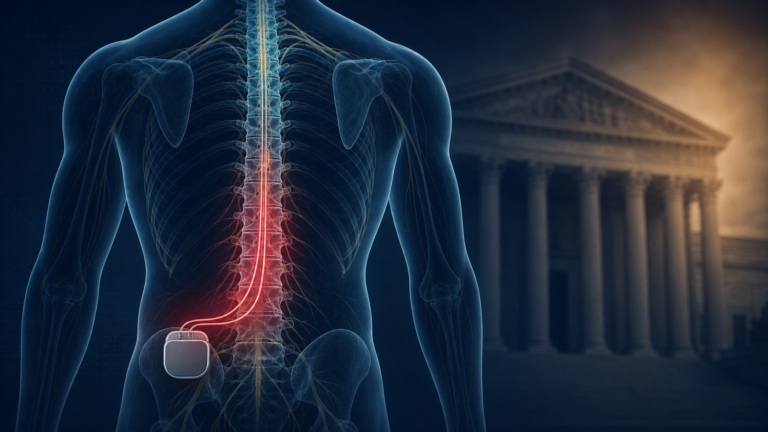
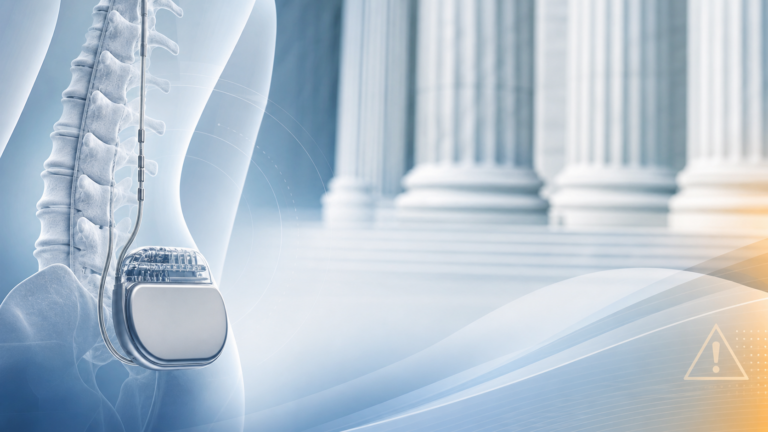
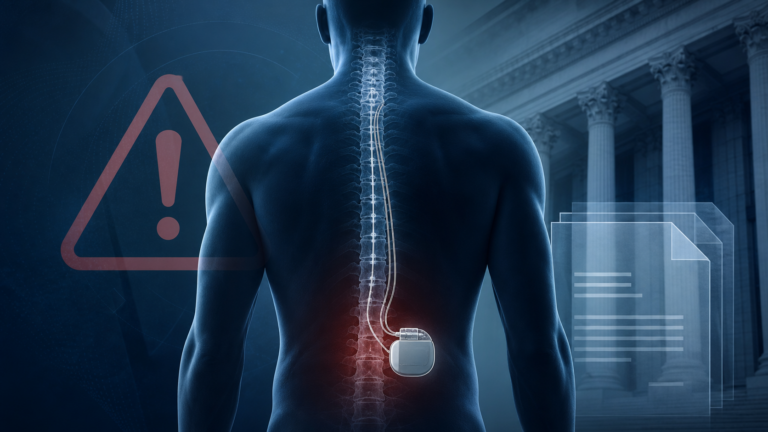
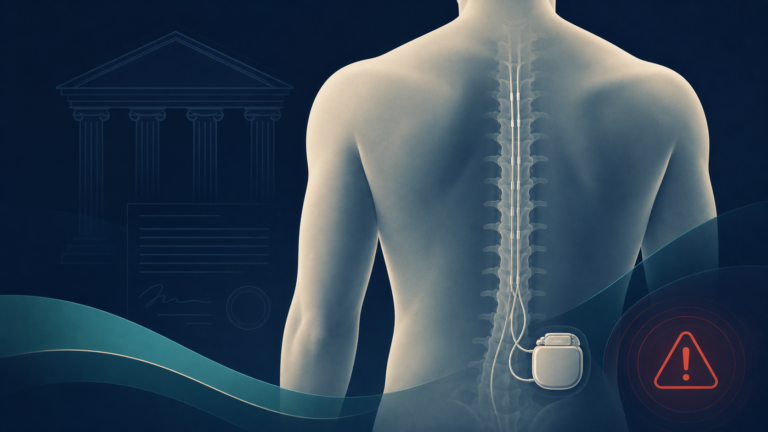
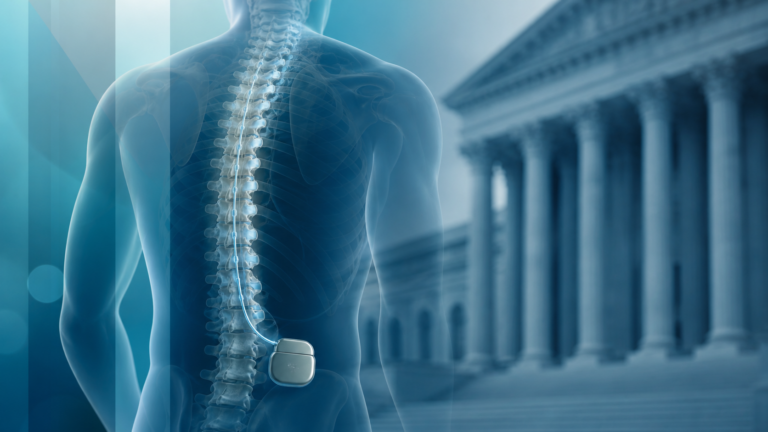
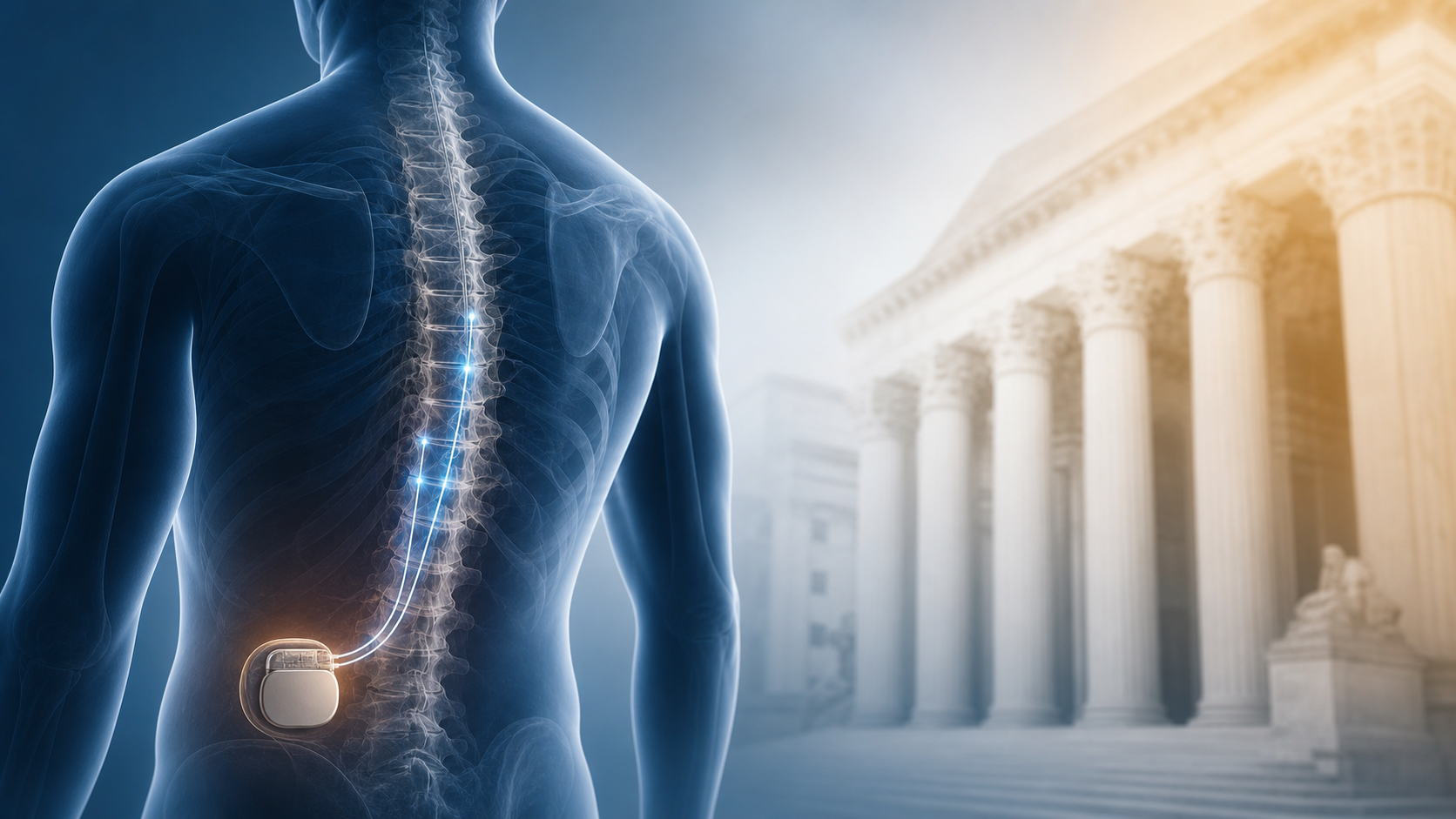
Spinal cord stimulators are implanted pain devices. They use leads
near the spine and a small generator under the skin to send
electrical pulses meant to interrupt pain signals. When everything
works, the patient may feel less pain. When something goes wrong,
the symptoms can be frightening and hard to explain to anyone who
has not felt them.
For Boston Scientific cases, lawyers are commonly looking at reports
of:
- sudden or painful electrical shocks
- burning sensations or tissue burns
- lead migration or lead fracture
- loss of pain relief after the device had been working
- device failure, charging problems, or programming problems
- new or worse nerve pain after implantation
- revision surgery, replacement surgery, or explant surgery
Not every bad outcome turns into a lawsuit. The records have to be
reviewed. The brand has to be confirmed. The timing matters. So does
the reason a surgeon revised or removed the system.
Why this MDL is limited to Boston Scientific
The JPML order discussed claims involving several spinal cord
stimulator manufacturers, including Abbott, Medtronic, Nevro, and
Boston Scientific. But the Panel did not create one giant industry-
wide MDL. It centralized the Boston Scientific cases.
That detail is easy to miss, and it matters for families trying to
figure out where they fit. If the implant card says Boston
Scientific, MDL 3181 may be the right litigation to ask about. If
the device was made by another company, the case may be moving on a
different track.
The Panel also explained why California made sense. Several cases
were already pending there. Some were already before Judge Staton.
Boston Scientific's neuromodulation division is headquartered in
that district, which may matter for company witnesses and documents.
The records that can save time
If you are trying to sort this out for yourself or for a parent,
spouse, or sibling, start with proof. Memories are important, but
medical records do the heavy lifting.
Try to collect:
- the implant card, wallet card, or device ID sheet
- the operative report from the original implant
- any revision, replacement, or explant operative report
- pain-management notes before and after the device was implanted
- emergency room records for shocks, burns, falls, severe pain, or infection concerns
- imaging reports that mention lead position or migration
- device interrogation, reprogramming, or charging notes
- photos of visible burns or skin injury, if they exist
- the names of the implanting doctor, hospital, and device representative, if known
If the device was removed, ask whether the hardware was preserved.
Do not toss the charger, remote, instruction booklets, or device
paperwork until someone has reviewed the situation.
Common first questions
What if the device helped at first?
That does not automatically rule out a claim. Some people report
that the stimulator worked for a period of time and then failed,
migrated, shocked them, or had to be removed.
What if my doctor said lead migration can happen?
A known risk is not the end of the conversation. The real question
is what happened in your case, what warnings were given, whether the
device performed as represented, and what medical treatment
followed.
What if I do not know the brand?
Look for the implant card first. If you do not have it, ask the
hospital or surgery center for the operative report and implant log.
Billing records may also list the manufacturer or model.
Is there a settlement yet?
No public settlement program has been announced for this new MDL. Be
careful with anyone promising a dollar amount. At this stage, the
safer answer is that cases are being investigated and the court is
organizing the litigation.
Why acting early can help
Deadlines can vary by state. Records can get harder to find as time
passes. People also forget dates, names, and details that felt
obvious when the medical crisis was happening.
A simple timeline can help. Write down the implant date, when
symptoms started, when the doctor adjusted the device, when imaging
was done, and whether another surgery was needed. Keep it plain. A
few dates on one page can be more useful than a long story with no
records behind it.
Mass Tort America is reviewing Boston Scientific spinal cord
stimulator claims involving shocks, burns, lead migration, revision
surgery, replacement, or explant. We cannot promise that any case
will be accepted or that any result will happen. We can help look at
the records and the basic facts.
This article is attorney advertising and is for general information
only. It is not legal advice. Reading it does not create an
attorney-client relationship. Every claim depends on its own facts,
medical records, deadlines, and applicable law.
Sources checked for this update include the JPML transfer order for
MDL No. 3181, the JPML July 1, 2026 pending MDL report, the June 23,
2026 pretrial order setting the first scheduling conference, the
June 16, 2026 conditional transfer order, AboutLawsuits' July 2026
spinal cord stimulator litigation update, and the FDA's public
MAUDE/openFDA device event database.