Truvada Lawsuit
Truvada, Viread, Atripla, Complera, and Stribild are HIV treatment and prevention medications made by Gilead Sciences that contain tenofovir disoproxil fumarate (TDF). Since 2001, millions of people have relied on TDF drugs — many taking them daily for years or decades, because consistent use is essential to controlling or preventing HIV.
Why Are Truvada and TDF Lawsuits Being Filed?
Plaintiffs allege two things. First, that TDF is toxic to the kidneys and bones at its approved dose, causing chronic kidney disease, kidney failure, Fanconi syndrome, and bone density loss leading to osteoporosis and fractures — and that Gilead failed to adequately warn. Second, and central to the litigation, that Gilead developed a safer alternative — tenofovir alafenamide (TAF), which delivers effective treatment at a fraction of the dose with less kidney and bone toxicity — years earlier, but shelved it until TDF’s patent protection was running out. Gilead denies the allegations.
Where the Litigation Stands
TDF litigation is coordinated primarily in California — in federal court in the Northern District of California and in a coordinated state court proceeding — involving thousands of plaintiffs nationwide, rather than a traditional MDL. In 2024, Gilead reached an agreement in principle to pay $40 million to resolve roughly 2,625 federal cases. A pivotal appeal is now before the California Supreme Court on whether Gilead can be held liable for delaying the safer TAF drugs; briefing continued into 2026, and the court’s decision is expected to shape the remaining litigation. Attorneys continue to evaluate new TDF claims.
Injuries in the TDF Litigation
Chronic kidney disease, kidney failure requiring dialysis or transplant, Fanconi syndrome, osteopenia, osteoporosis, osteomalacia, and bone fractures — in people who took TDF-based medications, often for years.
Who May Qualify?
You may qualify for a free case review if you took Truvada, Viread, Atripla, Complera, Stribild, or a generic TDF medication and were diagnosed with kidney disease, kidney failure, Fanconi syndrome, or significant bone density loss or fractures. Prescription history and the medical records documenting your diagnosis are the core evidence.
Important: Never stop an HIV treatment or prevention medication without talking to your doctor. Safer alternatives exist, and your care team can help you switch safely if appropriate.
Do I qualify?
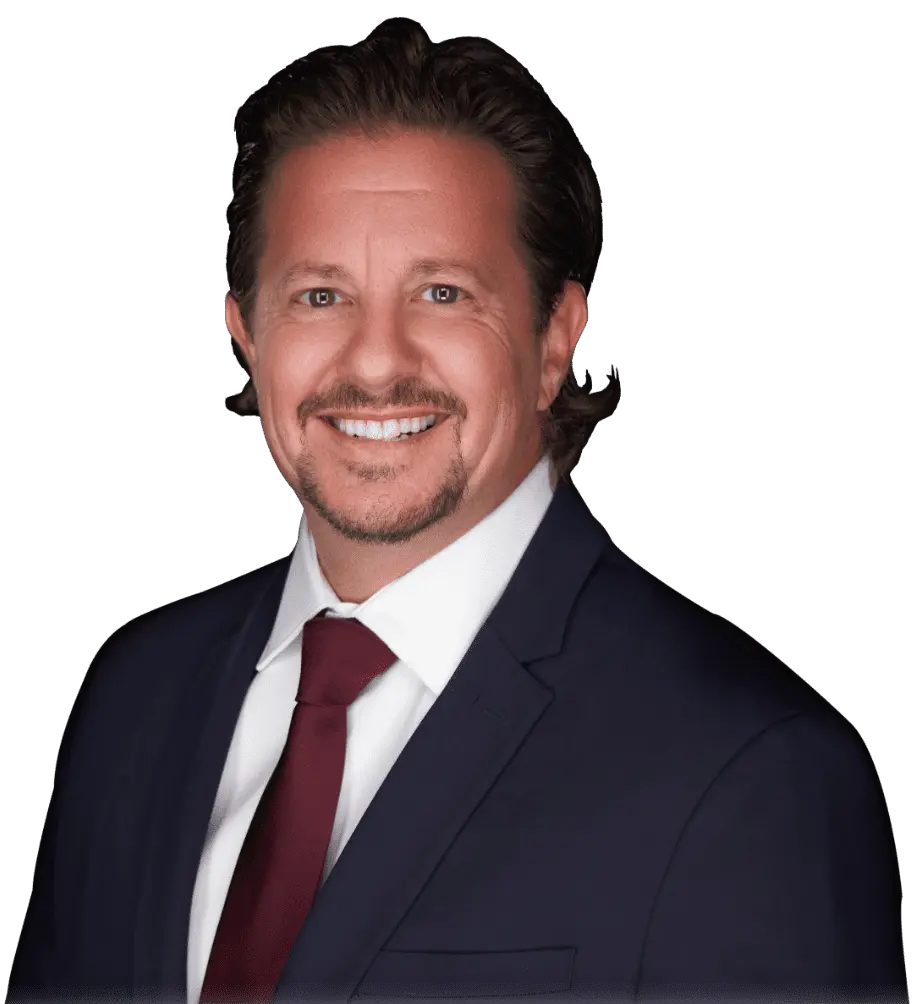
Robert B. Baker, Esq., B.C.S. — Board-Certified Civil Trial Lawyer. 30+ years of trial experience, more than $400 million recovered for clients. About Robert Baker →